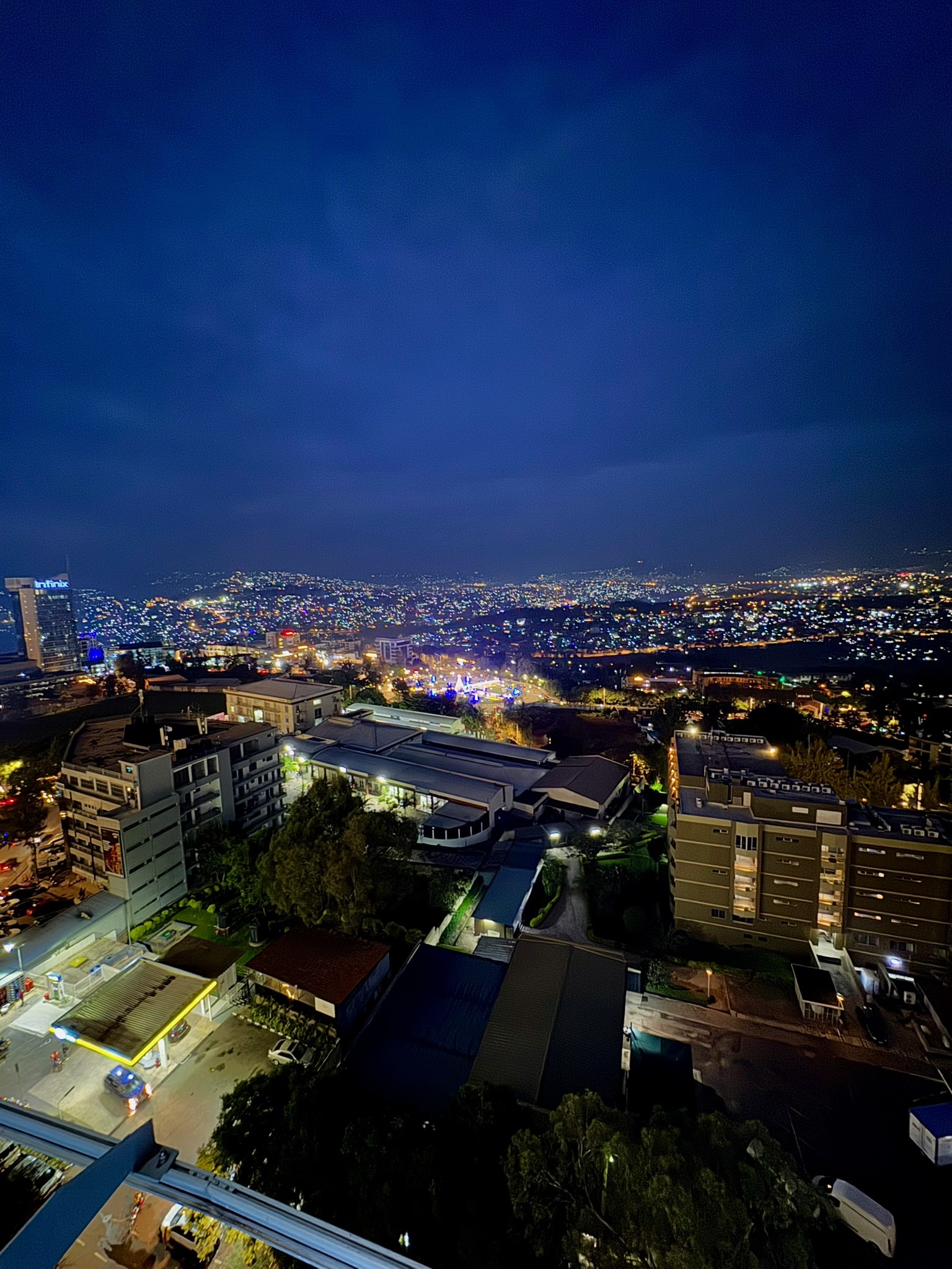
Kigali — Rwanda
Rwanda beyond
Most visitors arrive expecting to be in Africa the way they've imagined it. Kigali changes that picture within the first hour. Clean streets, functioning traffic, brilliant food, a skyline that's still growing. People who come for gorillas often say the city was one of their favourite parts of the trip.
I grew up here. There are parts of Kigali that most tourists never see — the neighbourhoods, the local markets, the restaurants that don't show up in any guidebook. That's what I show you when we do the city tour.
Rwanda's recent history is heavy, and it deserves to be understood. I take every guest to the Kigali Genocide Memorial. It's not easy. But leaving without going would be leaving without understanding the country you're in.
— Che
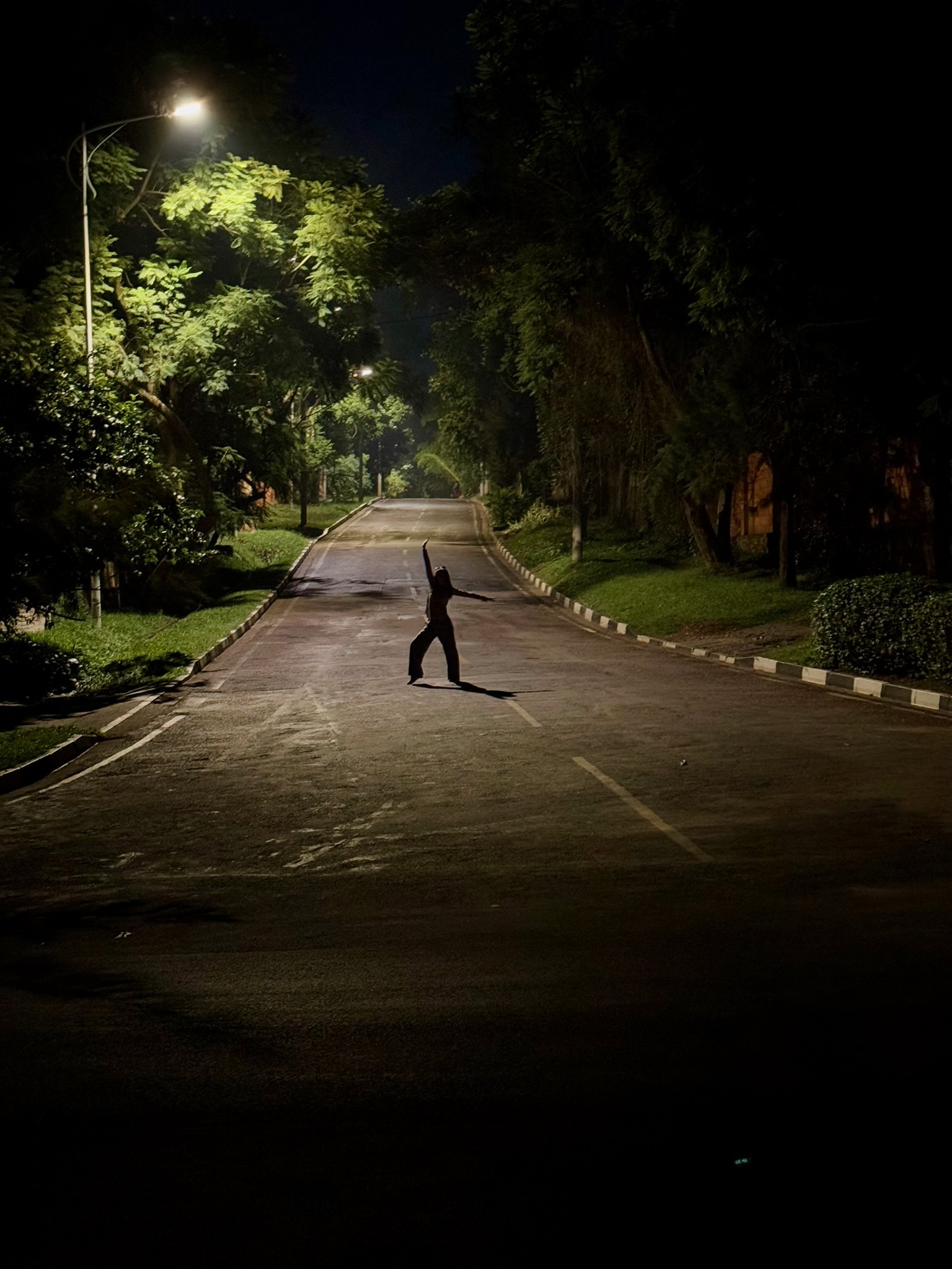
We start early in Kimironko market, where Kigali actually wakes up. Then the Inema Arts Center — Rwanda's best contemporary art gallery. The Kandt House history museum. Local coffee shops. And wherever the day takes us.
Over 250,000 people are buried here. The memorial tells the history of what happened in 1994 and the extraordinary process of rebuilding that followed. I visit every single trip. I always will.
In Nyanza, south of Kigali, the rebuilt royal palace gives you a window into pre-colonial Rwanda — the royal court, the long-horned Inyambo cattle, and a culture that existed for centuries before colonisation.
Rwanda's national ethnographic collection in Huye. Traditional instruments, clothing, tools, and art — everything that made daily Rwandan life what it was across the centuries.
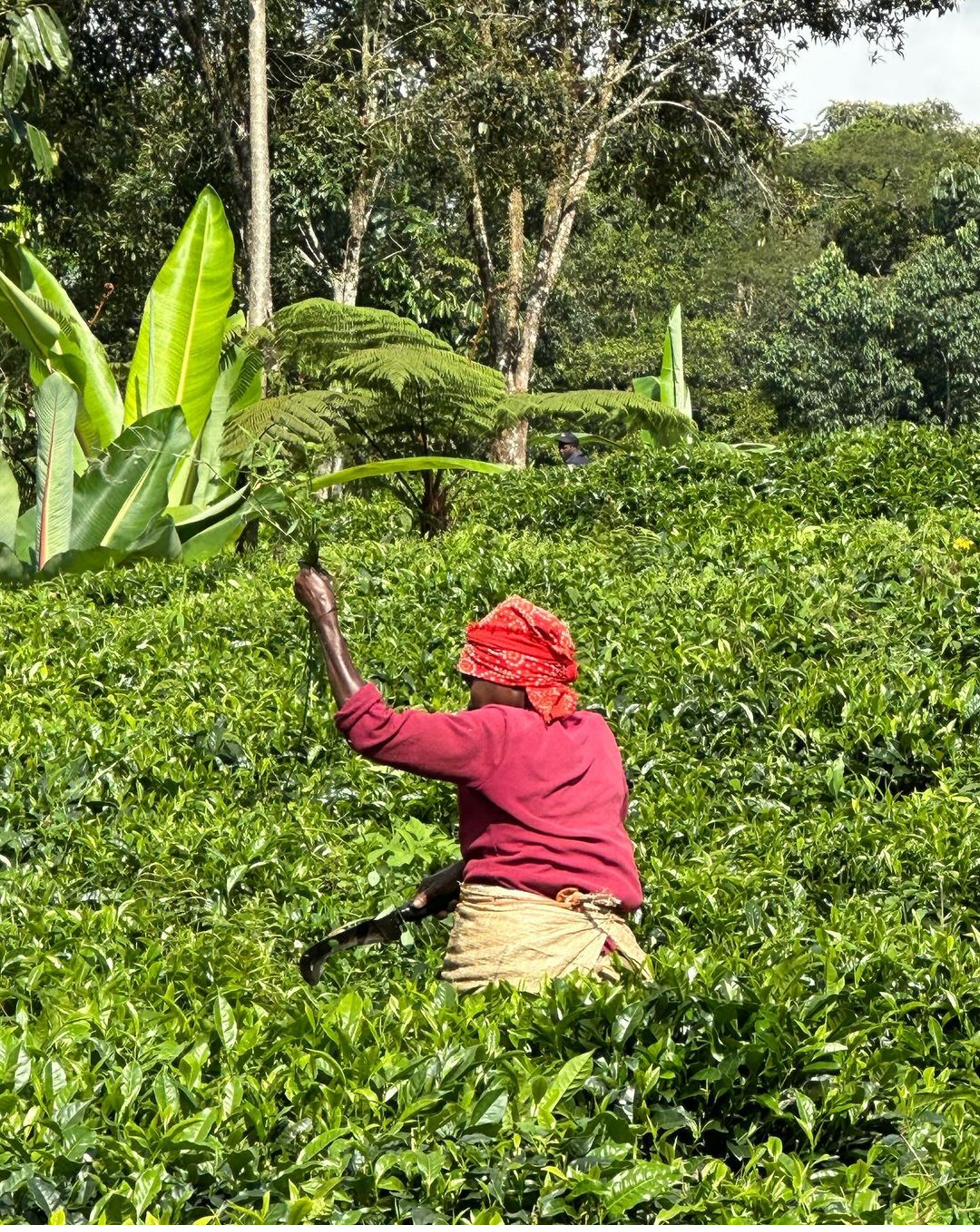
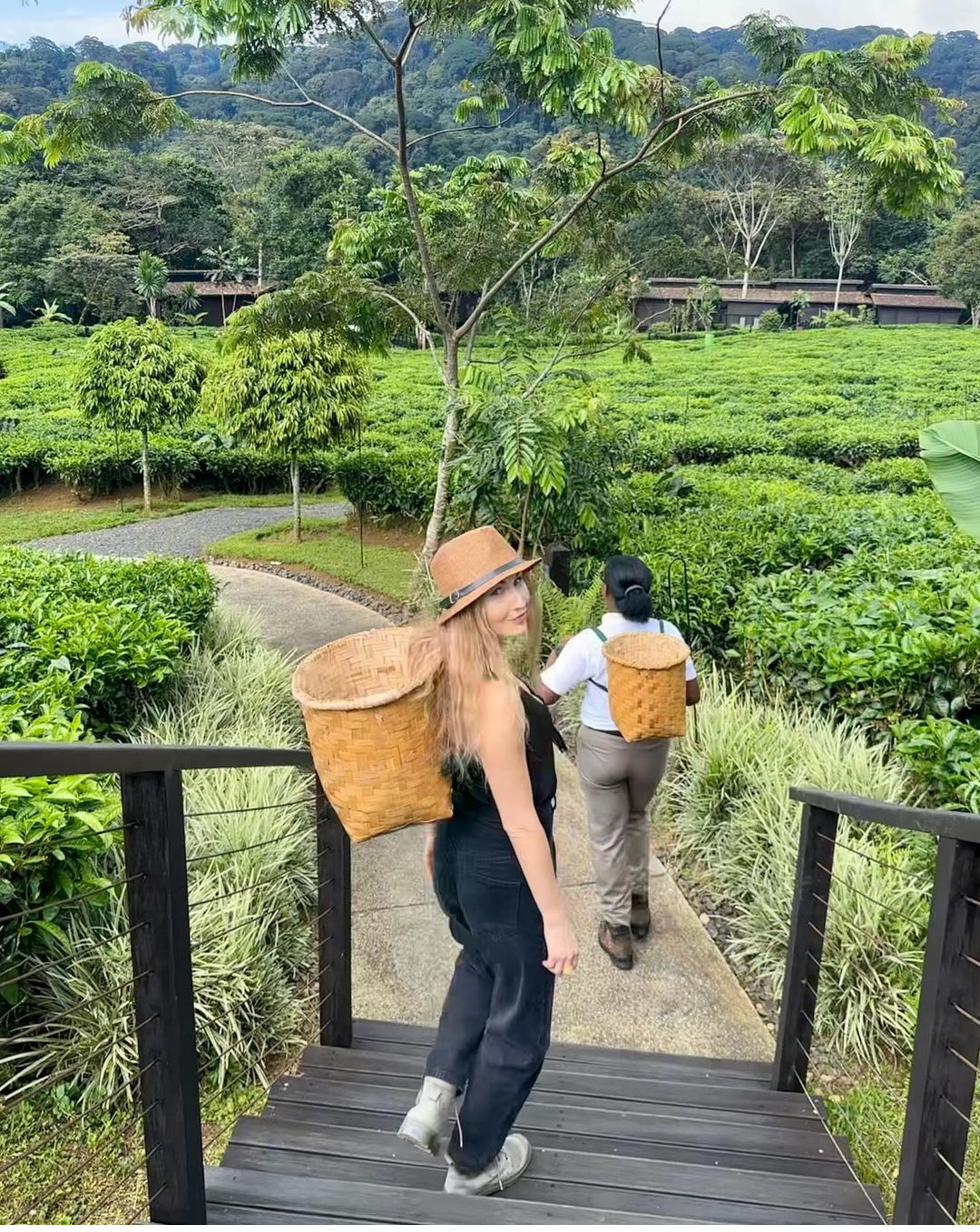
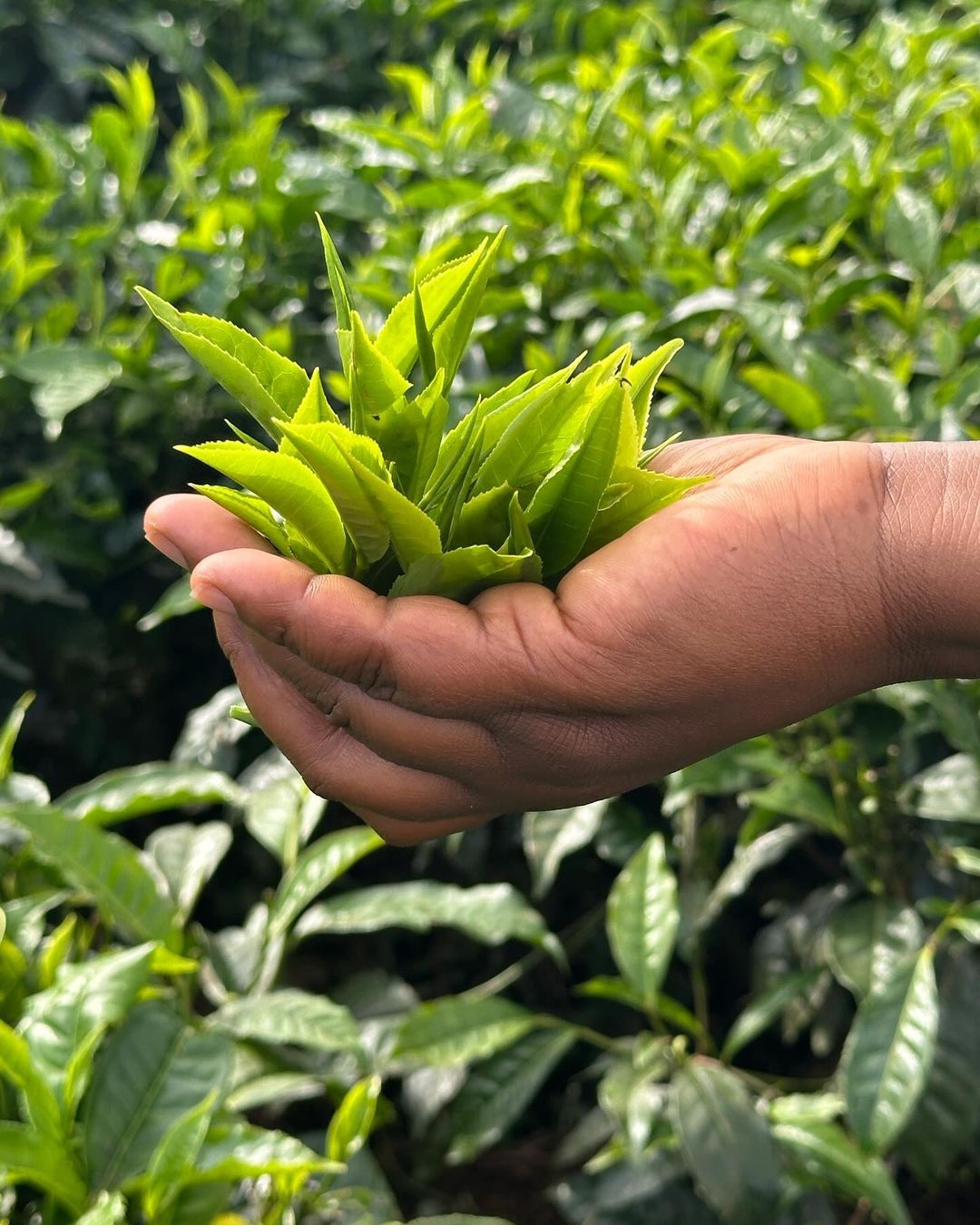
We walk the plantation rows, learn how Rwanda's highland tea and coffee are grown and processed, and sit down with a fresh cup you watched being made. This is one of the experiences guests ask about most afterwards.
Rwanda's intore warriors performed for kings. We arrange private cultural performances — not tourist shows, but real cultural exchanges with communities who are genuinely proud to share.
Meza Malonga in Musanze was named one of the World's 50 Best Restaurants — and if you've been, you understand why. Chef Dieuveil Malonga takes Rwandan and Central African ingredients and does things with them that feel genuinely new.
We book a table for every group that comes through. It's not optional in my mind — it's the meal that ties everything together. Rwanda's food, Rwanda's story, on a plate.
Recognition
World's 50 Best Restaurants — Meza Malonga, Musanze, Rwanda
Meza Malonga, Musanze
World's 50 Best — tasting menu with Central African ingredients
Cantine du Lac, Kibuye
Fresh fish from Lake Kivu, straight from the water
Repub Lounge, Kigali
Rooftop, cocktails, Kigali skyline — the local's favourite
Inzozi Nziza, Butare
Community-run café. Best ice cream in Rwanda. Genuine community impact.
Everyone comes for gorillas. The ones who go home changed are the ones who took the time to understand the country they were in. Let me help with that.